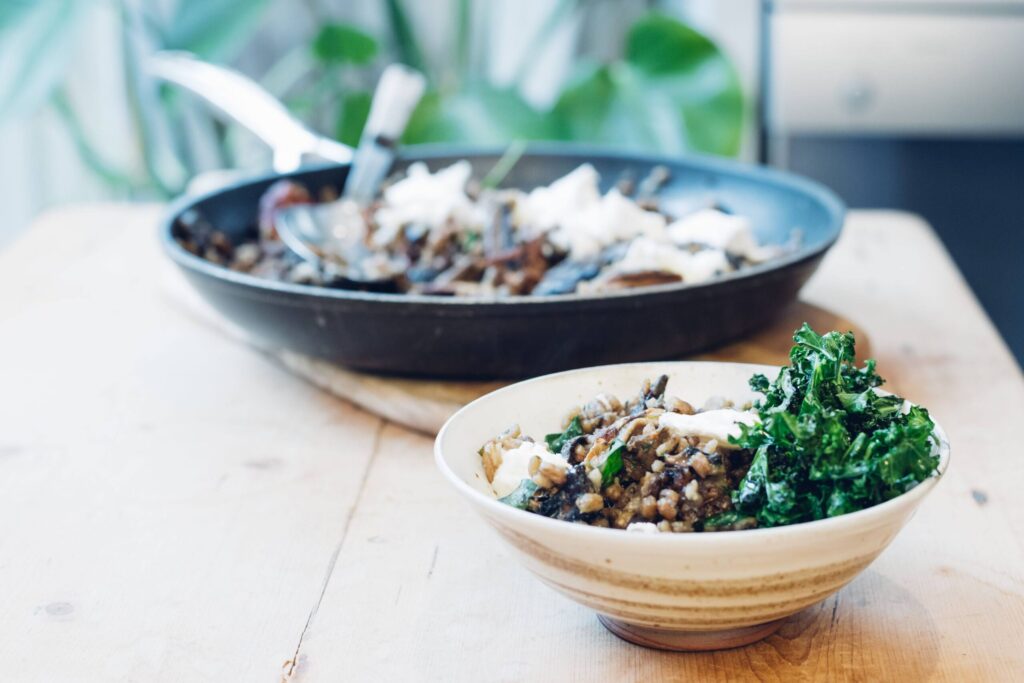
Fibre February! Make sure you pack it in…
Fibre… Only *4% of us are eating enough of it. That’s a quiet crisis… and an enormous opportunity to build our resilience.
We have Dr Denis Burkitt, a British missionary surgeon working in Uganda in the 1960s, to thank for first drawing attention to fibre’s importance. He observed that rural African communities eating traditional, high-fibre, minimally processed diets experienced very different patterns of disease compared with the industrialised West. Conditions we now see as commonplace: bowel cancer, heart disease, type 2 diabetes, obesity and cholesterol imbalance were rare. At the time, we knew nothing of the gut microbiome, but Burkitt sensed something important.
Today, we call it gut health.
Fibre is a type of carbohydrate found almost entirely in plants, but unlike other carbohydrates, we can’t fully digest it ourselves. Instead, we rely on our gut microbes to ferment it; and that fermentation is where much of the magic happens.Most fibre-rich foods contain a blend of soluble and insoluble fibres. Soluble fibre, found in foods like oats, barley, beans, pulses and fruit, absorbs water and forms a gel that helps steady blood sugar and support healthy cholesterol levels. Insoluble fibre, present in wholegrains, nuts, seeds and fruit and vegetable skins, helps keep the digestive system moving smoothly. Together, they nurture our gut microbiome and help our whole health!
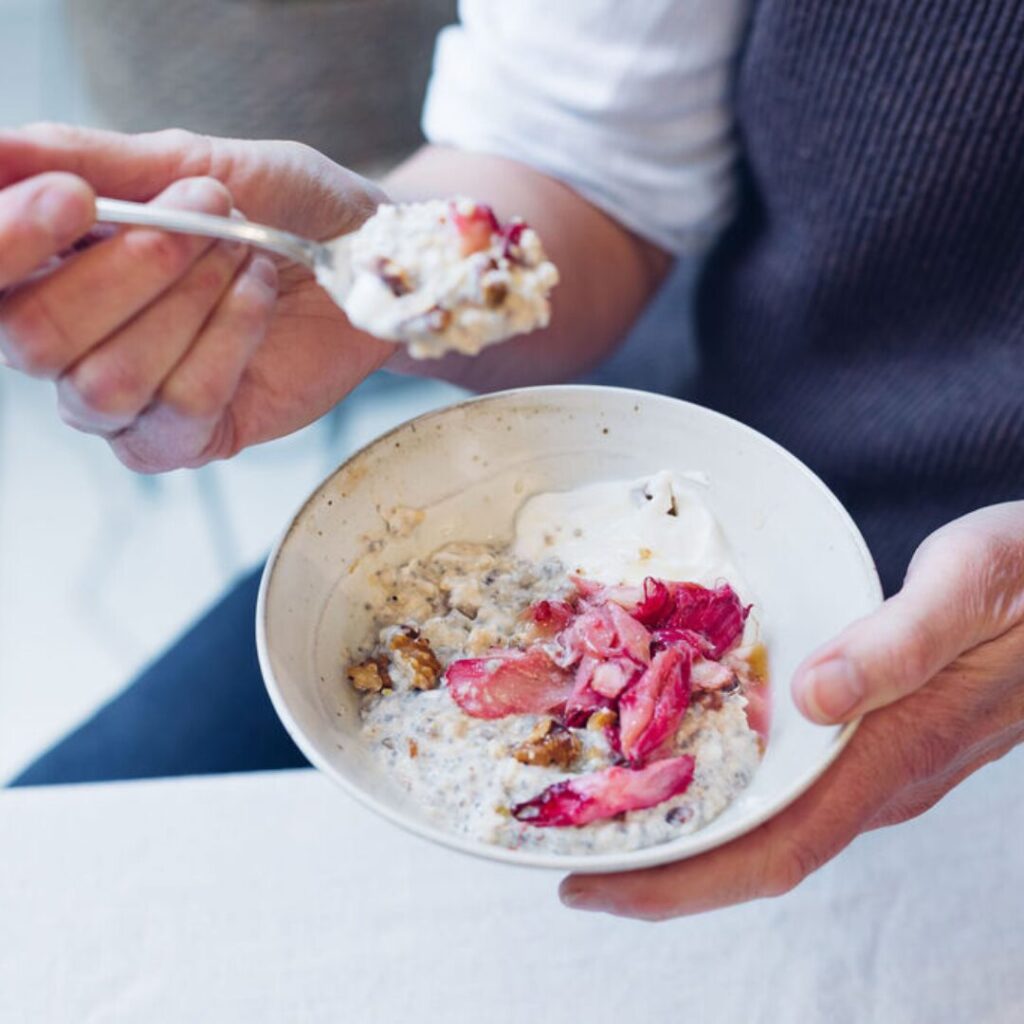
Some fibres are especially valuable..
These are known as prebiotic fibres and they’re completely fermented by our gut bacteria. Great sources are: leeks, onions, garlic, oats, apples, bananas, pulses and even cooked-and-cooled potatoes (think delicious potato salad!). For some people, particularly those with IBS, these highly fermentable fibres may trigger symptoms – we’ll explore how to navigate that while getting that all important plant diversity, in my April blog.
So how do we bring more of it back to our plates? Two of my favourite places to start are sourdough bread and pulses – ancient foods proving our ancestors have our backs:
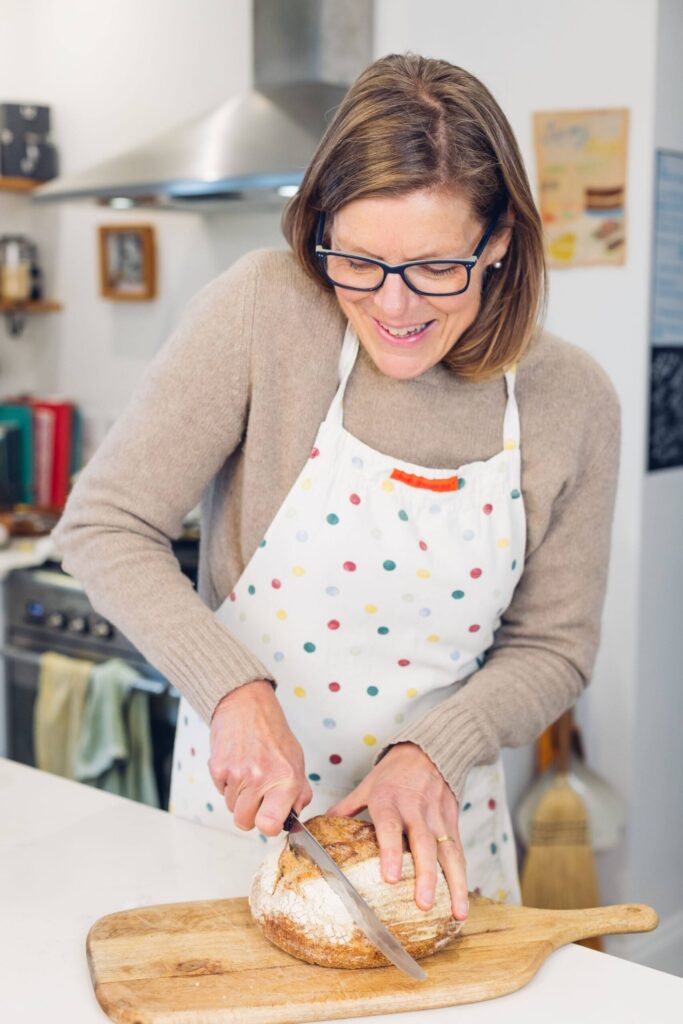
The word ‘companion’ comes from the Latin com (with) and panis (bread); quite literally, someone you share bread with! Real (unprocessed) bread has always been about more than carbohydrates. When made as the Egyptians did 3,000 years ago, the naturally slow fermentation uses its wild yeasts to develop flavour, improve digestibility and work with rather than against, our appetite. Slow fermentation, diverse heritage grains and the nutrient-rich loaf that results, reconnects us to the soil-to-gut story; nourishing both people and planet.
Pulses tell a similar story. Beans, lentils and peas are rich in fibre and protein, but they also enrich the soil itself. As nitrogen-fixing crops, legumes work with beneficial root bacteria to draw nitrogen from the air and return it to the soil, reducing the need for synthetic fertilisers. They feed us and the ecosystems that sustain us; nourishment in every direction.
Did you know one of the few pulses indigenous to the UK is the humble fava bean? Once a staple it went out of fashion, more commonly used as cattle feed. Very much on the up now and easily available from The Honest Bean Co as a delicious roasted bean snack or sourced dried from Hodmedod and perfect for a gluten-free option to thicken your chilli, curry or any similar dish!
Adults need around 30g of fibre a day, and children around 18g, yet most of us fall short. A bowl of oats, a spoonful of chia seeds, a pear with its skin, a portion of peas or a slice of sourdough; small additions quickly build in extra fibre.
Fibre February is a simple invitation: more plants, more pulses, more whole foods, more sharing bread together!
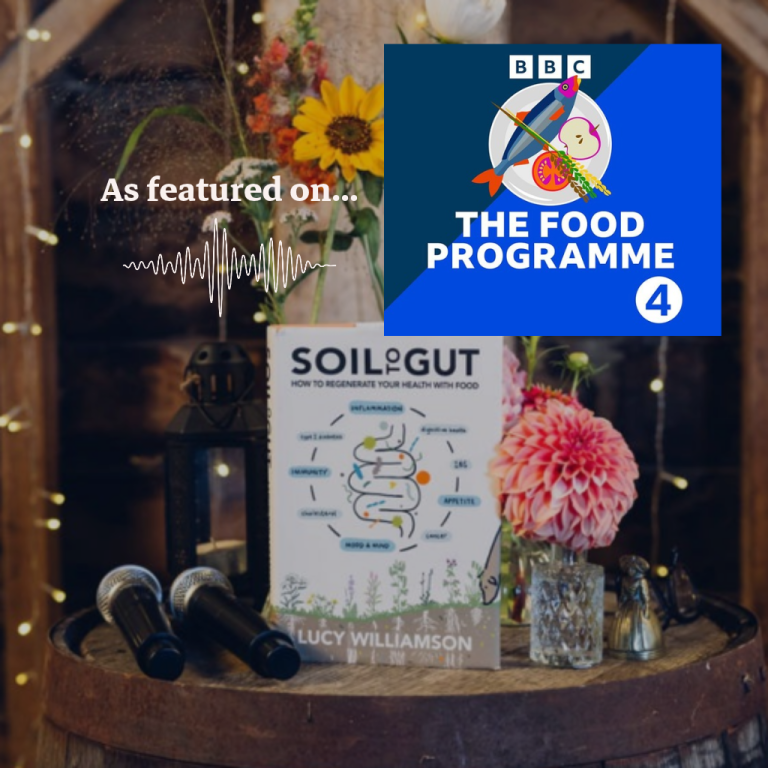
Don’t forget from March this year you can pre-order my new book, Soil to Gut, published July 2026.
*Public Health England, Food Standards Agency. National Diet and Nutrition Survey: results from years 2019 to 2023. London: UK Government; 2024. (n.d.).
Explore more gut health tips and recipes …
All my recipes are created with your gut health in mind, providing nutrient-rich, plant-based, balanced eating for you.
Take a look! https://lwnutrition.co.uk/recipe/
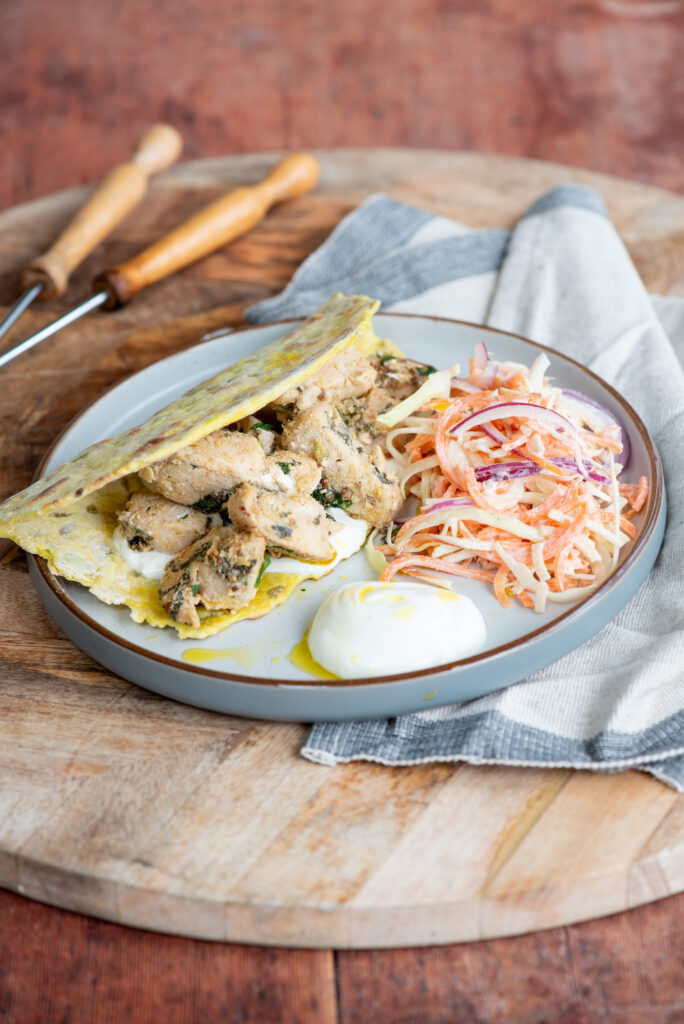
I’m passionate in guiding my clients towards practical, balanced and sustainable food choices within busy lives, to inspire best health.
Previously a Vet, as a Registered Nutritionist (MSc) I provide nutrition advice to British food producers to improve health communications. I also love to share nutrition knowledge as tailored support for individuals and families, through my unique events, as a visiting University lecturer and in schools too…
Please do get in touch – now more than ever I’m here to help!