Inflammaging – How to make living longer, healthier too…
We’re living longer than ever—yet those extra years aren’t always spent in good health…
Ageing increases the risk of chronic conditions like:
- Cardiovascular disease
- Autoimmune conditions
- Depression and low mood
- Cognitive decline (including Alzheimer’s)
At the heart of many of these is one key biological process: chronic inflammation. Scientists now refer to this age-related rise in inflammation as “Inflammaging.” But what’s driving it—and how can gut health help?
The Gut-Immunity Connection
Over 50% of the body’s immune cells are located in the gut lining. Our gut microbiome plays a crucial role in regulating this system, teaching it to respond to harmful pathogens—without triggering unnecessary inflammation.
Inflammation itself is a natural defence mechanism. But when it becomes persistent or is misdirected against the body’s own tissues, it becomes harmful.
What Happens to the Gut as We Age?
As we get older, our gut microbiome changes in ways that can increase inflammation:
- Reduced diversity – As food routines become more repetitive, we eat fewer types of plant foods, which limits microbial variety.
- Decline in beneficial bacteria – Fewer “good” microbes means reduced production of anti-inflammatory compounds like butyrate.
- Weakened gut lining – Less butyrate = a more permeable gut barrier, increasing immune activation.
- Rise in unfavourable microbes – With fewer beneficial strains, harmful ones may grow unchecked.
Together, these changes can leave the immune system poorly regulated—driving the chronic, low-grade inflammation we see in inflammaging.
7 Practical Ways to Support Your Gut Microbiome
You can actively nurture your microbiome to support a healthier, more resilient immune system as you age. Here’s how:
1. 🌿 Eat a wider variety of plants
Aim for 30 different plant-based foods a week, not just your usual “5-a-day.” This includes:
- Vegetables and fruit
- Whole grains
- Beans and pulses
- Nuts and seeds
- Herbs and spices
2. 🥛 Include fermented foods daily
Everyday options include:
- Live yogurt or kefir
- Sauerkraut or kimchi
- Sourdough bread
- Kombucha or live apple cider vinegar
These help seed and feed good gut bacteria.
3. 🌱 Choose bitter plant foods
These are like rocket fuel for your gut microbes:
- Rocket, watercress, and other brassicas
- Onions, garlic, leeks
- Walnuts, extra virgin olive oil
- Black tea, green tea, coffee, dark chocolate—even red wine in moderation
4. 🍫 Avoid excess sugar
High “free sugar” intake (like fruit juice or white sugar) feeds unfavourable bacteria. Swap sugary snacks for high-fibre, gut-friendly alternatives.
5. 🍎 Buy seasonal when possible
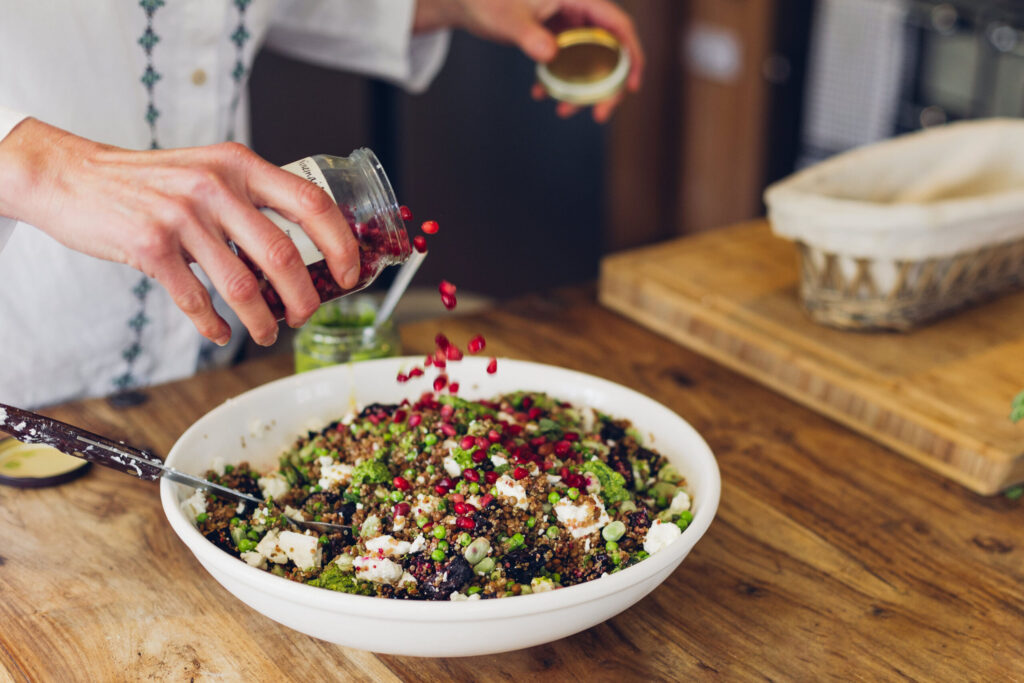
Seasonal foods are richer in polyphenols, compounds that feed beneficial gut microbes. Now is the perfect time for British apples—try my apple & walnut loaf recipe!
6. 🐟 Get more omega-3
Omega-3 fats are anti-inflammatory and often too low in modern diets.
Eat oily fish (e.g. salmon, sardines, mackerel) regularly—especially important for brain and muscle health in later life.
7. 🚶♀️ Move daily & prioritise sleep
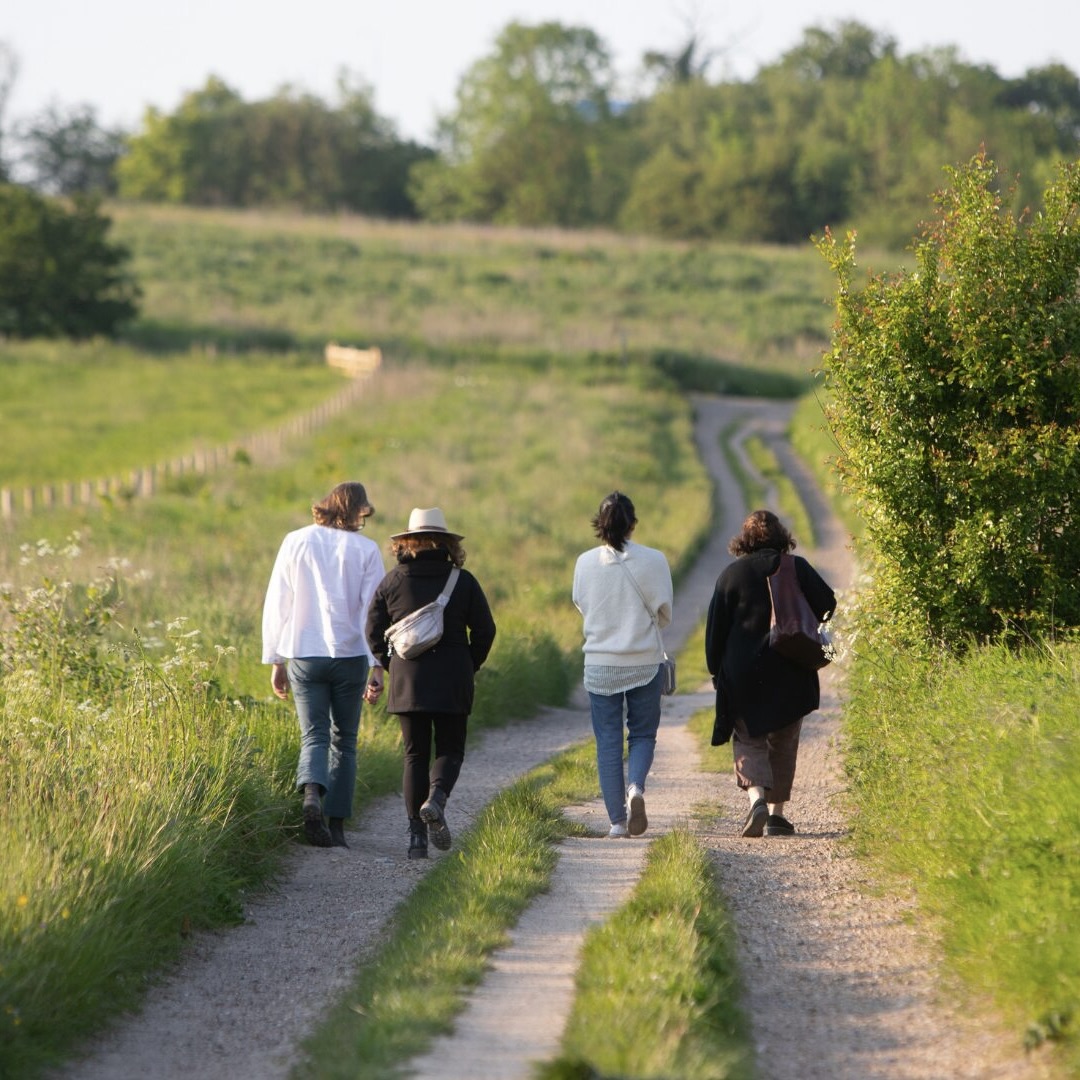
Gentle exercise and restorative sleep reduce inflammation and support overall health. A brisk 30-minute walk or gardening can make a real difference.
Final Thoughts…
While we can’t stop the clock, we can influence how well we age. A healthy gut microbiome is one of your most powerful tools to:
✅ Regulate inflammation
✅ Support immunity
✅ Improve mental and physical wellbeing
By looking after your gut, you’re investing in a healthier future—one meal, one walk, one good night’s sleep at a time.
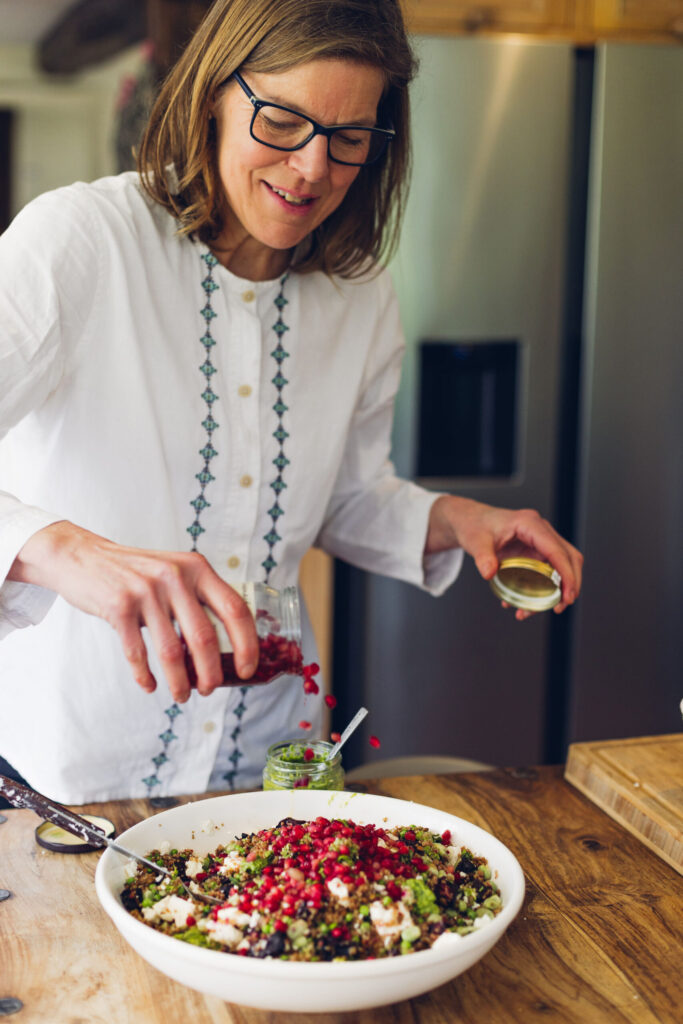
Explore more gut health tips and recipes …
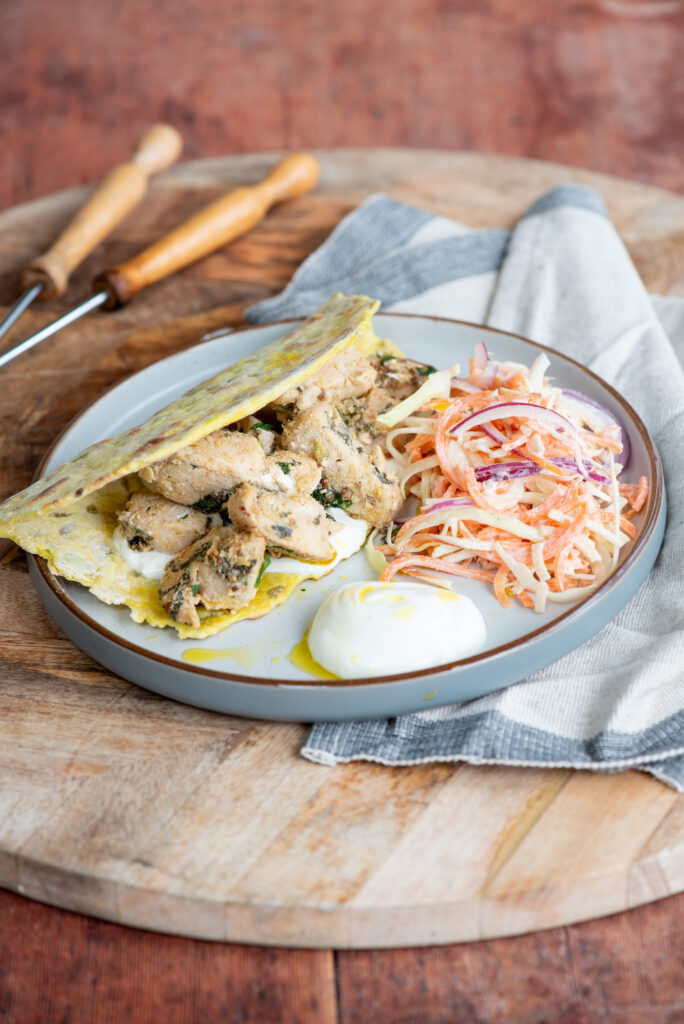
All my recipes are created with your gut health in mind, providing nutrient-rich, plant-based, balanced eating for you.
Take a look! https://lwnutrition.co.uk/recipe/
I’m passionate in guiding my clients towards practical, balanced and sustainable food choices within busy lives, to inspire best health.
Previously a Vet, as a Registered Nutritionist (MSc) I provide nutrition advice to British food producers to improve health communications. I also love to share nutrition knowledge as tailored support for individuals and families, through my unique events, as a visiting University lecturer and in schools too…
Please do get in touch – now more than ever I’m here to help!